The Journal · May 04, 2026
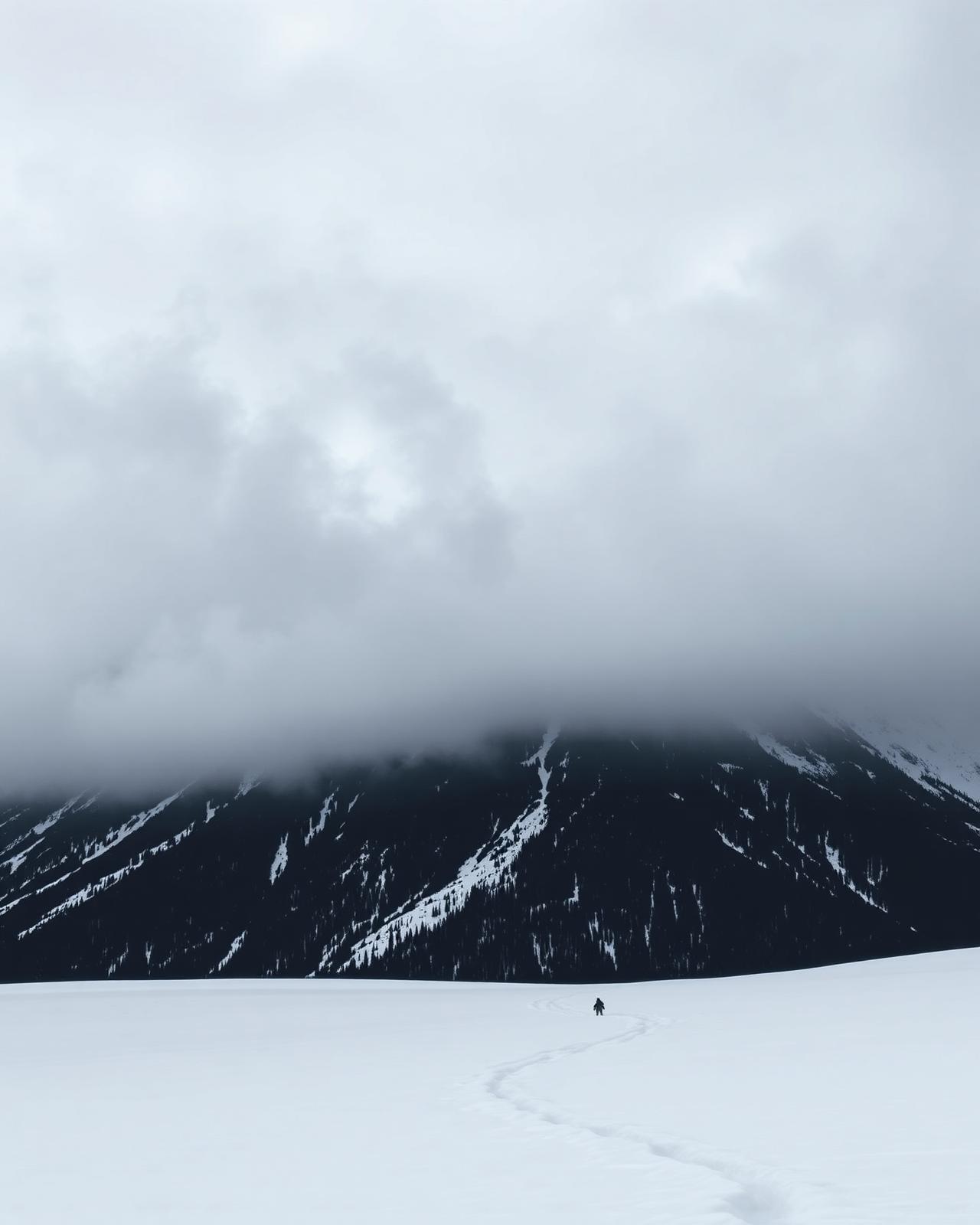
When the mountain says no
Sometimes the most successful expedition is the one that never reaches its original destination.
Snæfellsnes peninsula · 5 min read
There is a common belief that success in the outdoors is measured by reaching the summit. Standing on the glacier. Making it to the viewpoint. Completing the trail. Crossing the finish line. But after years of guiding in wild places, I have come to believe something very different.
Sometimes the most successful expedition is the one that never reaches its original destination.
Nature does not negotiate
One of the greatest lessons the mountains teach is humility. Weather does not care how far you have travelled. Glaciers do not know how long you have planned your holiday. The ocean does not slow down because your flights are booked for tomorrow. Wild places exist entirely on their own terms. As guides, our role is not to conquer them. It is to understand them.
Reading the signs
Most decisions in the outdoors are made long before anything feels dramatic. A subtle change in the wind. Clouds building over a ridge. Snow becoming softer underfoot. A river rising faster than expected. The energy of a tired group after several long days. Individually, these observations may seem insignificant. Together, they tell a story. Experienced guides learn to listen long before the landscape begins shouting.
Turning around is not failure
Perhaps the hardest decision a guide ever makes is choosing not to continue. Guests are excited. The destination is close. Everyone wants to keep going. And yet, experience sometimes tells you otherwise. To people standing on the trail, it can feel disappointing. To a guide, it often feels reassuring. Because every decision is measured against one simple question: will this still feel like the right choice at the end of the day? If the answer is uncertain, the decision has already been made.
Good decisions are often invisible
When an expedition goes smoothly, most people assume conditions were perfect. In reality, countless small decisions have quietly shaped the outcome. Leaving thirty minutes earlier. Choosing a different route. Taking a longer break. Changing tomorrow's itinerary because of today's forecast. Guests rarely remember these decisions. And that is exactly the point.
The long view
The mountain is not going anywhere. The glacier will still be there. The trail will still exist. There is no prize for forcing today's objective if it compromises tomorrow. An expedition is never about proving something to the landscape. It is about returning home with stories worth telling — and the opportunity to come back again.
The mountain is never something to defeat. It is something to learn from. And occasionally, the greatest lesson it teaches is knowing when to turn around.
— Read next
Related field notes

decisions · safety
The weight of responsibility
The real work of guiding happens in the decisions no one notices.
5 min read
weather · guiding
Learning to read the landscape
Long before a storm arrives, the landscape usually tells you it is coming.
6 min read

decisions · guiding
The journey before the journey
What guests experience over seven or ten days is only the visible part of a much longer process.
5 min read