The Journal · March 22, 2026
Learning to read the landscape
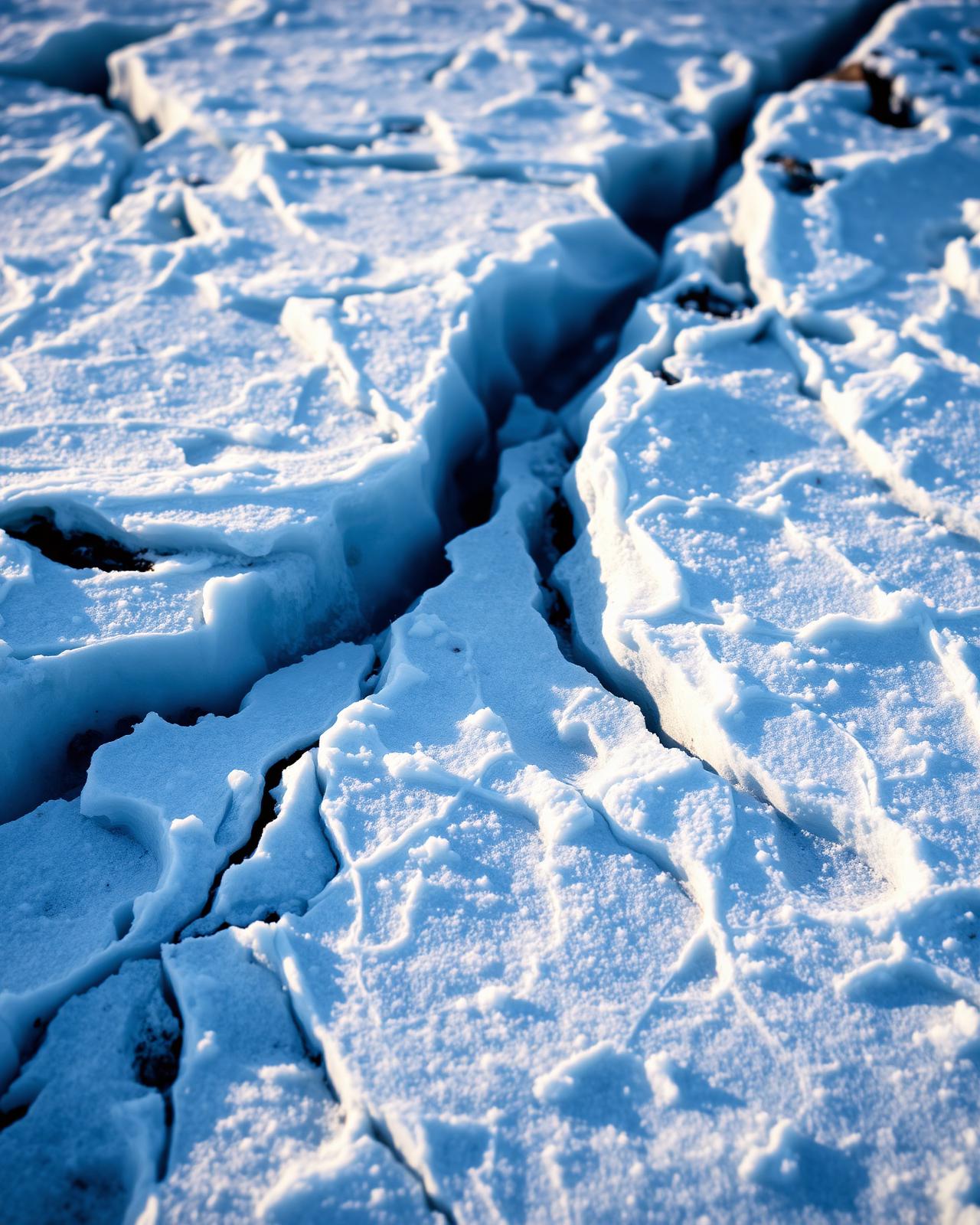
Long before a storm arrives, the landscape usually tells you it is coming.
Vatnajökull · 6 min read
Long before a storm arrives, the landscape usually tells you it is coming. The signs are rarely dramatic. A change in the wind. Clouds beginning to build over distant peaks. A glacier becoming quieter as the temperature drops. Birds changing their behaviour. A subtle shift in the colour of the sea.
Most people do not notice these things. Not because they are not paying attention, but because they have never been taught what to look for. One of the greatest gifts the outdoors offers is learning to see beyond what is obvious.
Nature is always communicating
Every environment has its own language. Mountains speak through weather. Glaciers through movement. The ocean through swell, wind, and tide. Forests through sound. Wildlife through behaviour. Nothing exists in isolation. A single observation may not mean much on its own. But several together begin to paint a picture. The longer you spend outdoors, the more these patterns become familiar. You stop reacting to nature. You begin anticipating it.
The difference between looking and seeing
Most visitors notice the obvious. The mountain. The waterfall. The glacier. The wildlife. Guides notice something different. The cloud forming behind the ridge. The snow changing texture beneath each step. The way a river has risen since yesterday. Fresh animal tracks crossing the trail. The tiredness beginning to show within the group. The landscape is never just scenery. It is information.
Patience is a skill
Modern life encourages us to move quickly. We measure journeys by distance covered and destinations reached. Nature asks for something different. It asks us to slow down. To stop. To observe. Some of the most rewarding moments on an expedition happen when nothing appears to be happening at all. Waiting for the light to change. Watching fog lift from a valley. Listening to birds before sunrise. Standing quietly while whales surface nearby.
Beyond navigation
People often think navigation is simply knowing where you are. Maps. GPS. Compass bearings. Those tools are important. But true navigation begins much earlier. It begins with understanding the landscape itself. Knowing where wind is likely to funnel through a valley. Recognising which slopes hold snow longer. Understanding why one side of a mountain dries before the other. Technology can tell you your position. Experience helps explain what that position means.
The quiet lesson
Every landscape has its own rhythm. It does not ask us to conquer it. Only to notice it. To move with curiosity rather than urgency. To understand before acting. To observe before judging. Once you learn to read the landscape, you never look at the world in quite the same way again.
— Read next
Related field notes
weather · guiding
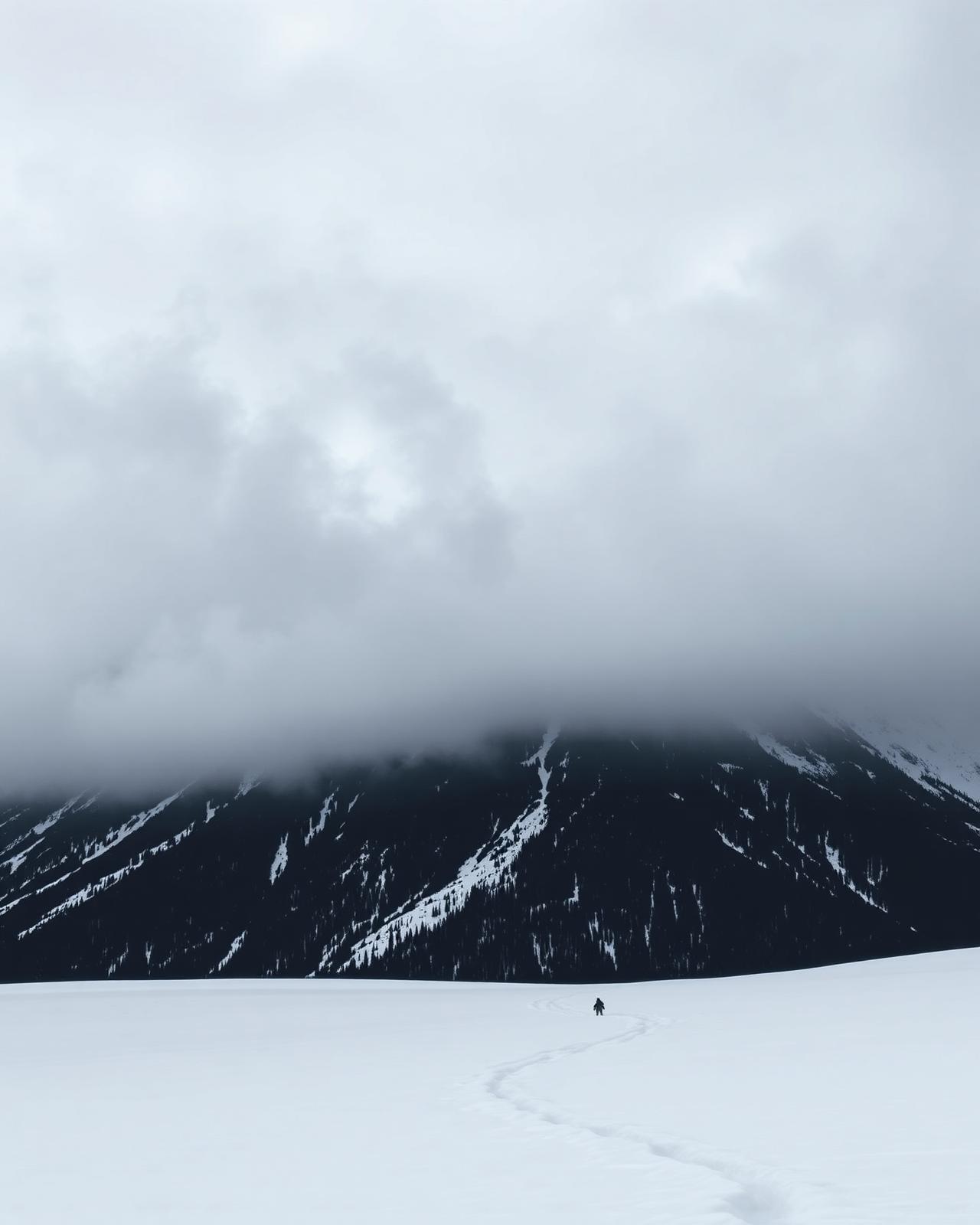
When the mountain says no
Sometimes the most successful expedition is the one that never reaches its original destination.
5 min read
place · observation
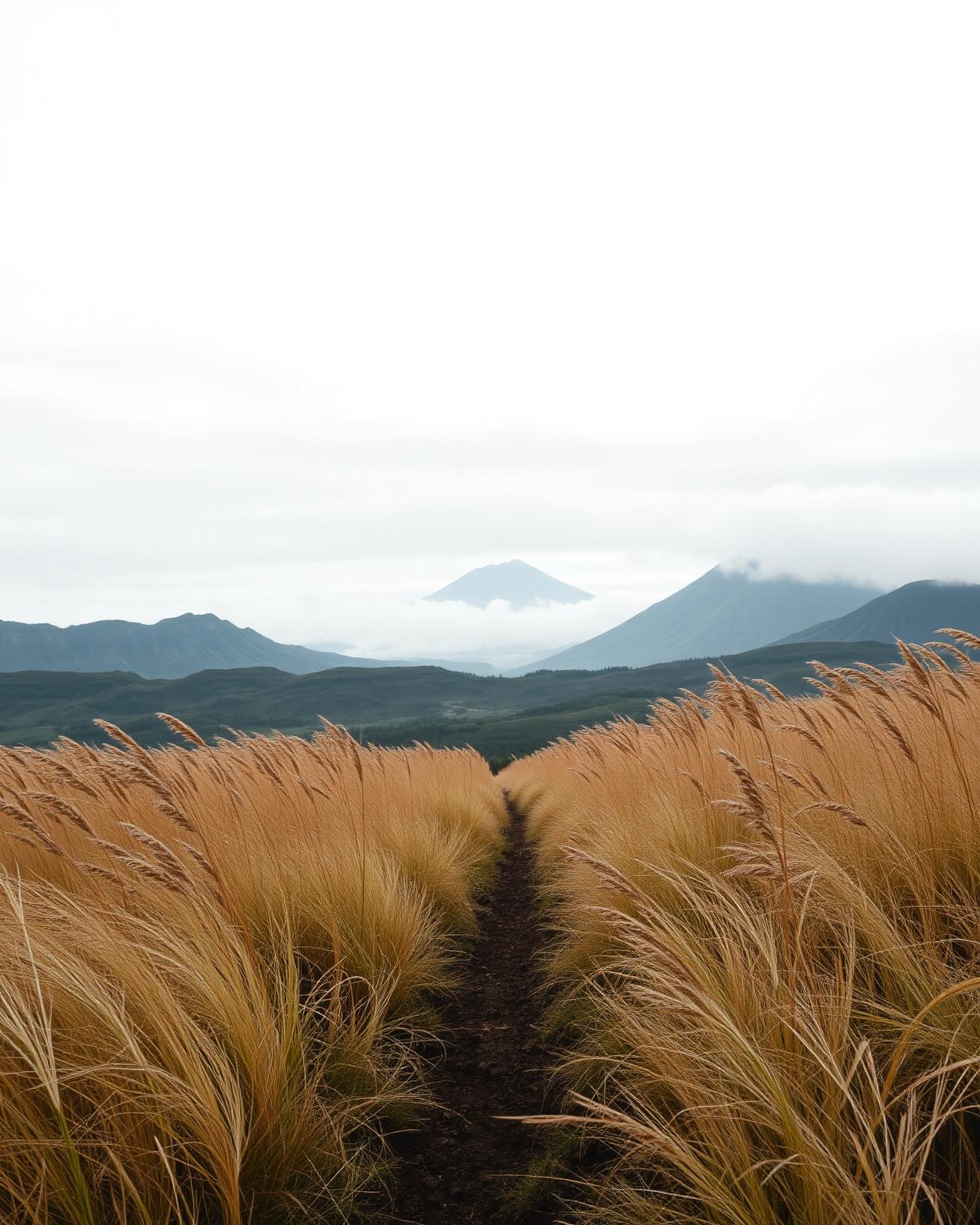
Every route is earned
Maps have a way of hiding reality. Some things can only be discovered by going.
5 min read
guiding
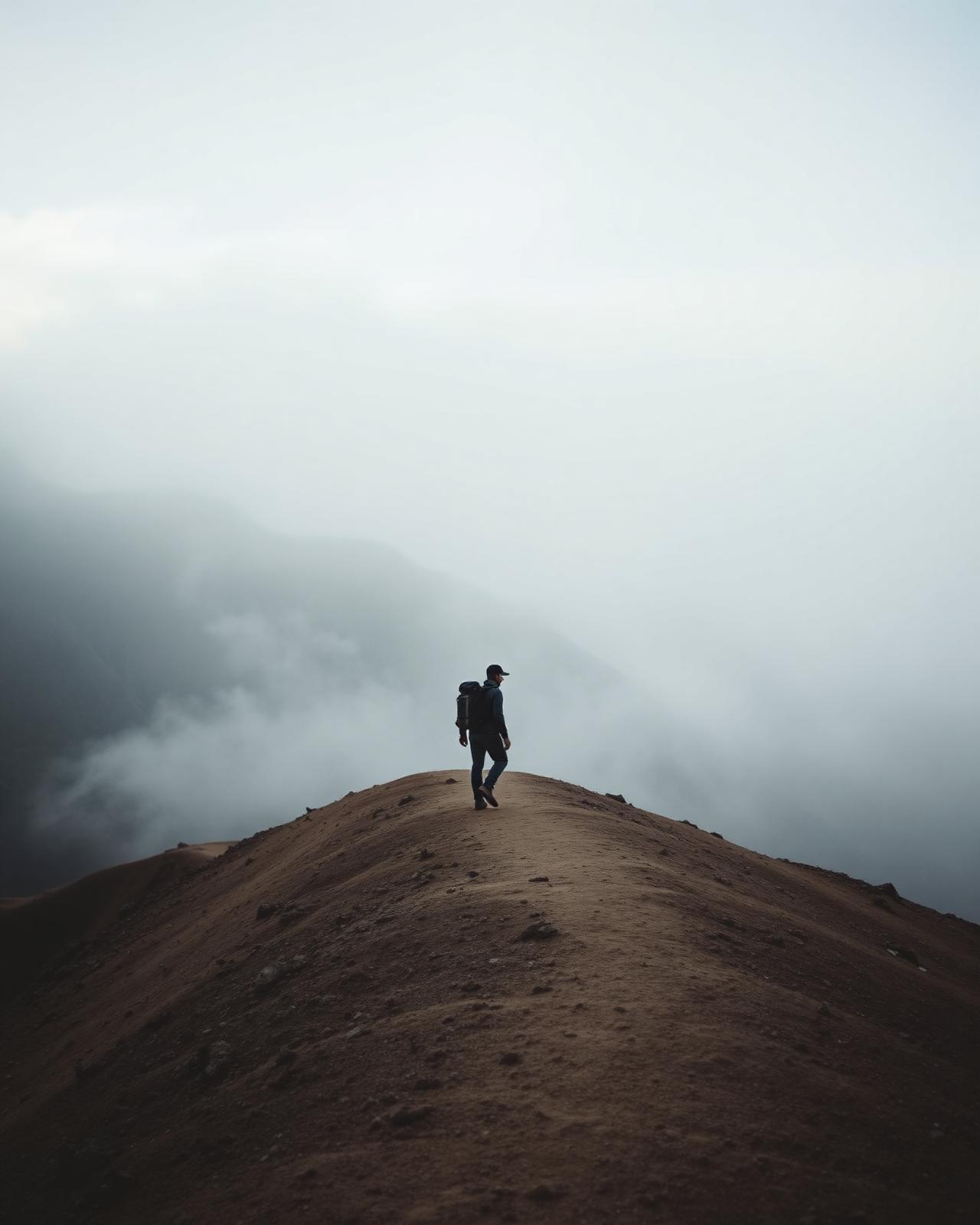
What makes an expedition?
The word is used loosely now. Here is what it still means in this practice.
6 min read