The Journal · June 12, 2026
What makes an expedition?
The word is used loosely now. Here is what it still means in this practice.
Field notebook · 6 min read
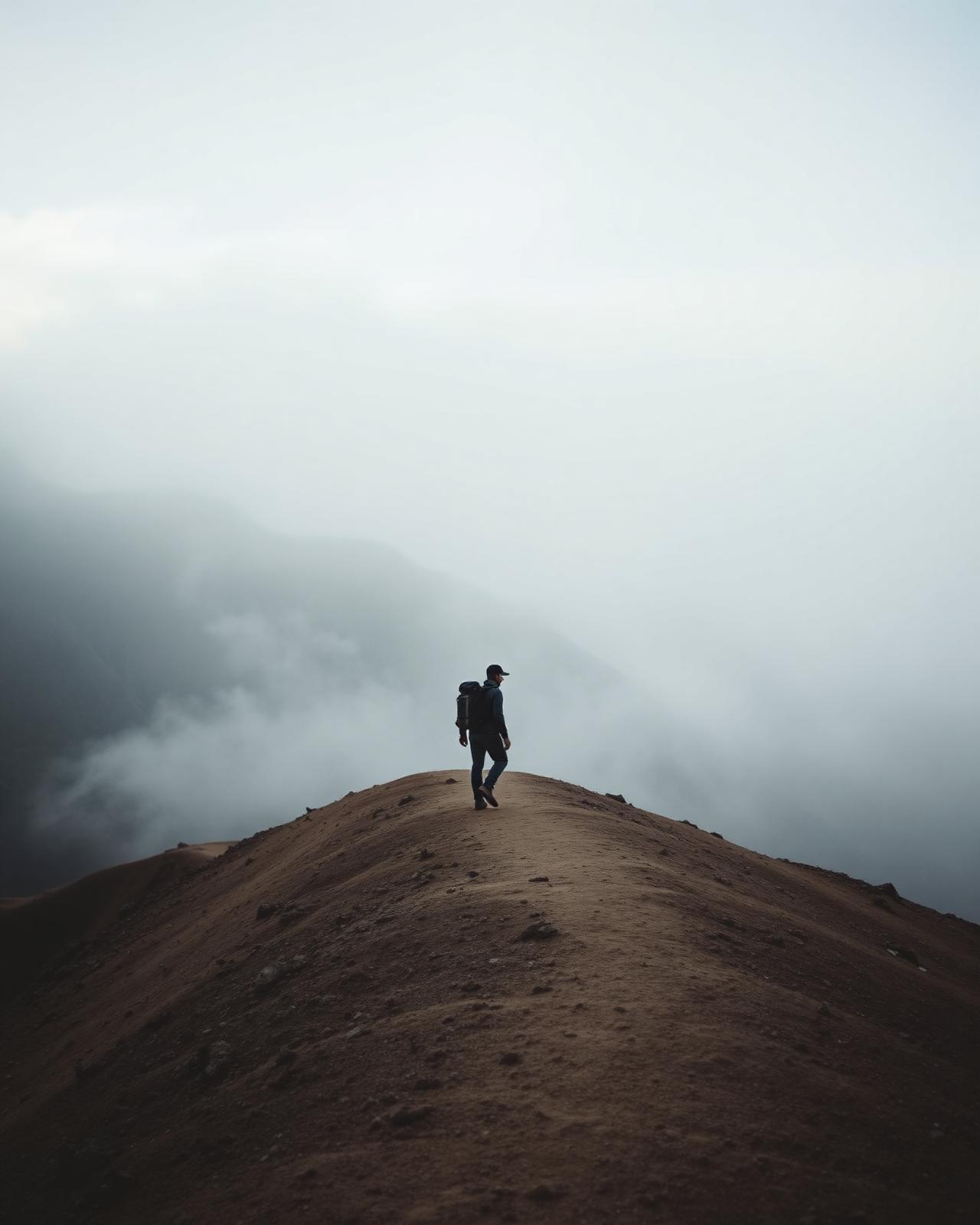
There was a time when almost every journey into the unknown was called an expedition. People travelled without guarantees. They carried what they needed, adapted to changing conditions, and accepted that nature — not a timetable — would ultimately decide the outcome.
Today, the word is used more freely. Hotels advertise expeditions. Day trips are labelled expeditions. Even a short bus tour can be described as an adventure. At All Latitude, I use the word differently. Because an expedition is not defined by distance. It is defined by mindset.
More than a destination
A tour is often about arriving. An expedition is about experiencing. The destination matters, but it is only one part of the journey. The changing weather, the conversations shared over dinner, the unexpected wildlife encounter, the decision to alter a route because conditions demand it — these moments often become the stories that stay with us long after we have returned home.
The best expeditions are rarely the ones that unfold exactly as planned.
The landscape leads
Nature does not read itineraries. Glaciers move. Volcanoes remind us they are alive. The ocean changes with the wind. Mountains create their own weather. Trying to force a schedule onto environments like these rarely produces better experiences. It simply creates unnecessary pressure.
An expedition begins by accepting that the landscape always has the final say. Good planning does not remove uncertainty — it prepares us to respond to it.
Preparation creates freedom
People often imagine expeditions as spontaneous adventures. The reality is almost the opposite. The freedom to adapt comes from careful preparation. Every route begins long before guests arrive. It involves researching conditions, speaking with local experts, reviewing weather patterns, identifying alternative plans, checking equipment, and understanding how the landscape changes throughout the season.
The more prepared you are, the more flexible you can be when conditions change. Preparation does not make an expedition predictable. It makes it resilient.
Small groups, bigger experiences
This is one of the reasons I keep departures small. Small groups allow us to move quietly through wild places, adapt when opportunities arise, and make decisions without the complexity that comes with large numbers. They create space for conversation. Space for curiosity. Space to stop when the light is perfect, or to linger when a place deserves more time.
Why I call them expeditions
I do not promise perfect weather. I do not promise rigid schedules. I do not promise to tick every landmark off a list. What I do promise is thoughtful preparation, experienced leadership, and the flexibility to make the most of whatever the landscape offers. Because the most memorable journeys are rarely the ones that go exactly to plan. They are the ones that remind us why we left home in the first place.
— Read next
Related field notes
philosophy · small-groups
Why I choose small groups over big tours
Group size is not a logistical detail. It is the defining factor of the experience.
6 min read

preparation · guiding
The journey before the journey
What guests experience over seven or ten days is only the visible part of a much longer process.
5 min read
philosophy · preparation
Every route is earned
Maps have a way of hiding reality. Some things can only be discovered by going.
5 min read