— Destinations
The places
I know.
These are not destinations on a brochure. They are countries and coastlines I have personally explored, trained in, and continue to guide in. Each one is shaped by long relationships with local guides, operators, and the place itself.
Best season · Late May to early September for highland access. January to March for ice caves, aurora and short, theatrical daylight.
N° 01
Iceland
Glaciers, volcanoes, and an Atlantic light that rewrites a place every twenty minutes.
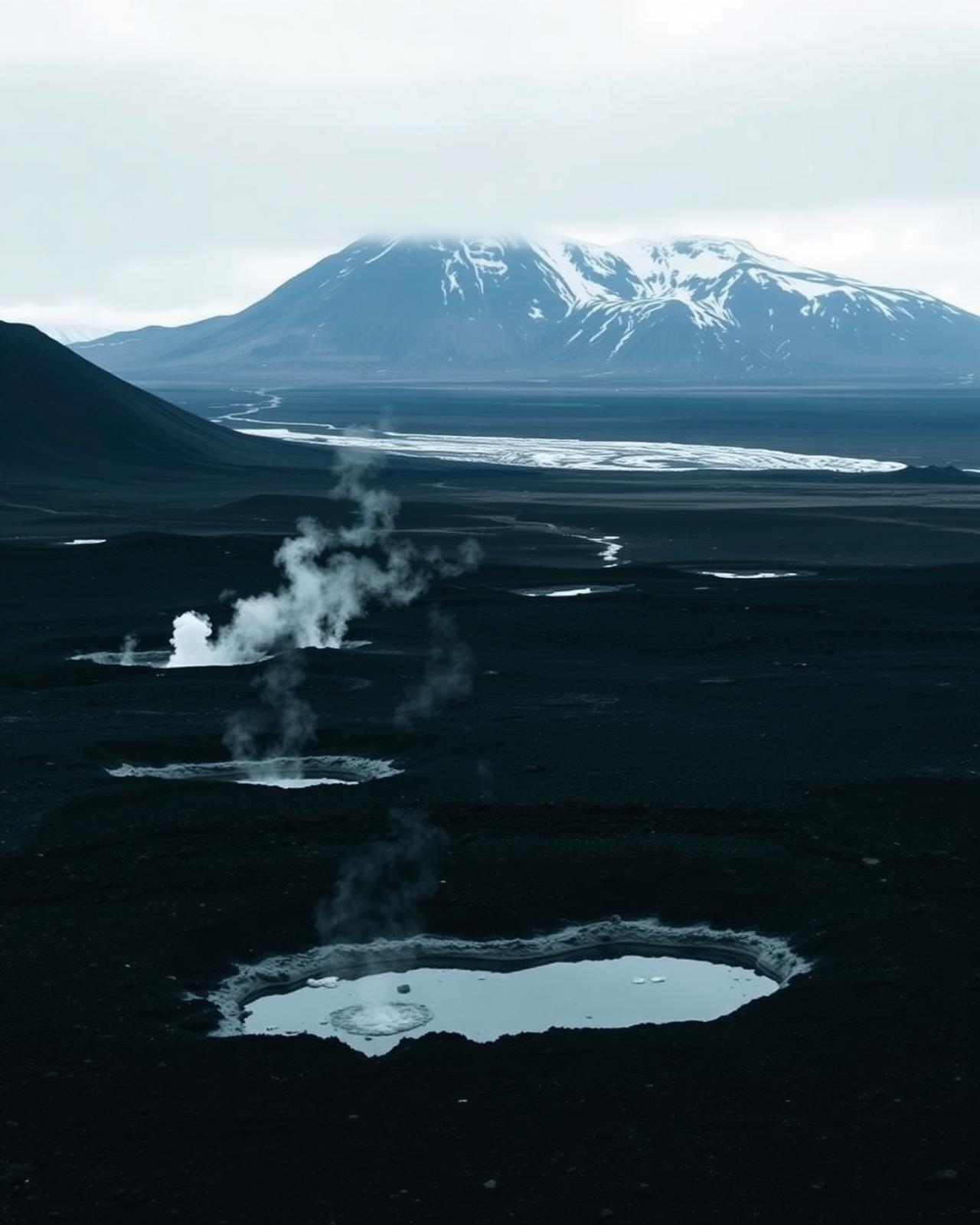
Iceland is the place I keep coming back to. It is small enough to read in a week and complicated enough that I am still learning it after years of guiding here.
Most of the country sits on the seam between the North American and Eurasian plates. That is not a piece of trivia — it is the reason the landscape behaves the way it does. Geothermal valleys, fissures, calderas, and a coastline shaped by the Atlantic doing the same work, every day, since the last glaciation.
Why Iceland
It is one of the few countries where wilderness, infrastructure and safety culture all line up. You can be on a glacier in the morning and in a small fishing village by evening, and the standards on both sides are serious.
Glacier travel
I only go onto ice with certified glacier guides and on days the conditions actually permit. Vatnajökull, Sólheimajökull and the Snæfellsjökull cap each give a different read of the country.
Volcanoes & geology
Reykjanes, Askja, Hekla, the Fagradalsfjall system. We read the active monitoring before every trip; sometimes the right call is to change the day's route. The geology is not decorative — it is the trip.
Northern Lights
Aurora is a winter conversation. I plan winter Iceland trips around dark-sky locations and weather windows, not around a fixed itinerary. The right approach is patience and mobility.
Silfra & cold water
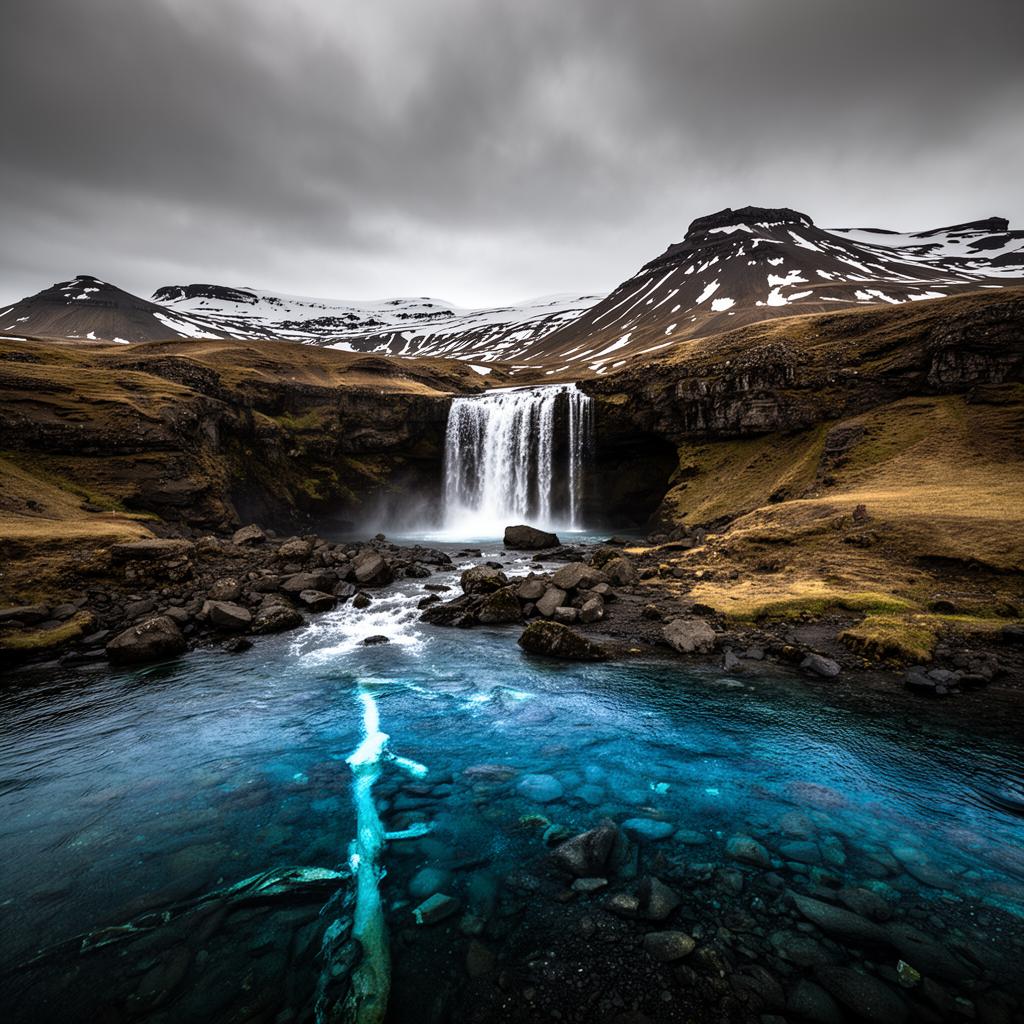
The Silfra fissure — snorkelling between two tectonic plates — is one of the most extraordinary short swims on earth. Cold, clear, and absolutely worth the drysuit briefing.
Best season · June to October for the warmest water and best visibility. Peak cetacean activity August–September.
N° 02
Azores
An Atlantic archipelago that behaves like a slow, volcanic invitation to the open ocean.
Nine volcanic islands, halfway between Lisbon and New York, sitting on top of one of the most biologically rich stretches of the Atlantic. The Azores are quiet on land and astonishingly loud underwater.
I work primarily out of Pico, the freediving capital of the archipelago, with a small group of instructors I have trained and dived with for years.
Ocean
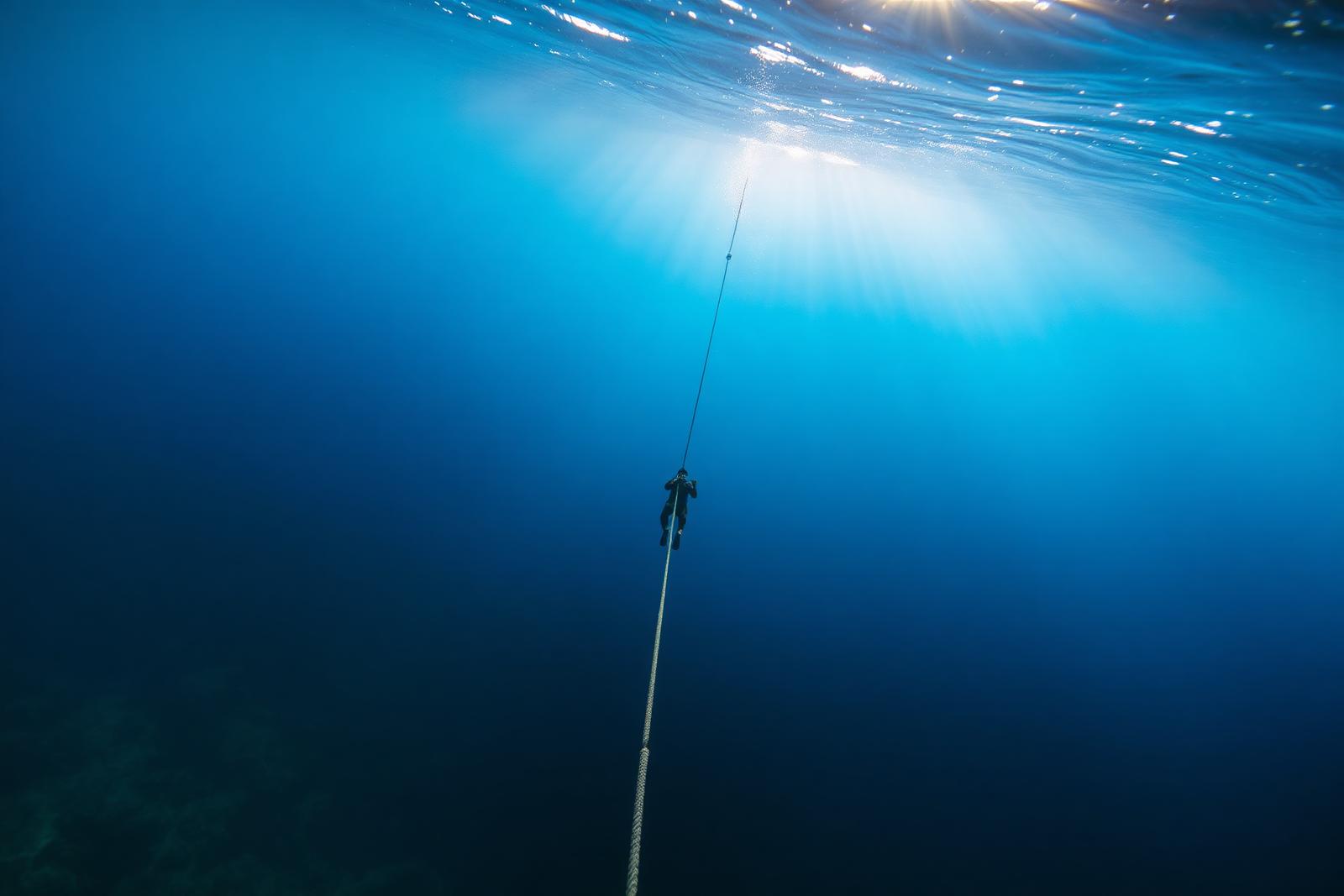
Deep, clear, and almost immediately offshore. The 1000-metre line is closer to land here than almost anywhere in the Atlantic, which is why the wildlife is so close.
Freediving
The Azores are where I bring travellers serious about freediving. Daily boat dives, structured progression, breathwork, yoga, and rest. Small group only.
Whales & dolphins
More than twenty species of cetacean pass through these waters. Sperm whales are resident year-round; blue whales and fin whales pass through in spring; pilot whales and Atlantic spotted dolphins are regular companions.
Volcanic landscapes
Pico itself is a near-perfect stratovolcano rising 2,351 m straight out of the Atlantic. Old lava flows reach the sea. The whole archipelago is geologically young and visibly alive.
— Current Expeditions
Best season · May to September for cooler, drier safari conditions and predictable game viewing. November to March for green-season birding.
N° 03
South Africa
Bushveld, mountain ranges, and one of the best safari traditions on the continent.
South Africa rewards travellers who want more than the standard safari grid. The bushveld is genuine wilderness, the Cape mountain ranges are some of the oldest folded rock on earth, and the country's safari culture has matured into something unusually personal.
I work in private concessions where the camps are small, the guiding is properly trained, and the income from the trip stays close to the people whose land it is.
Safari
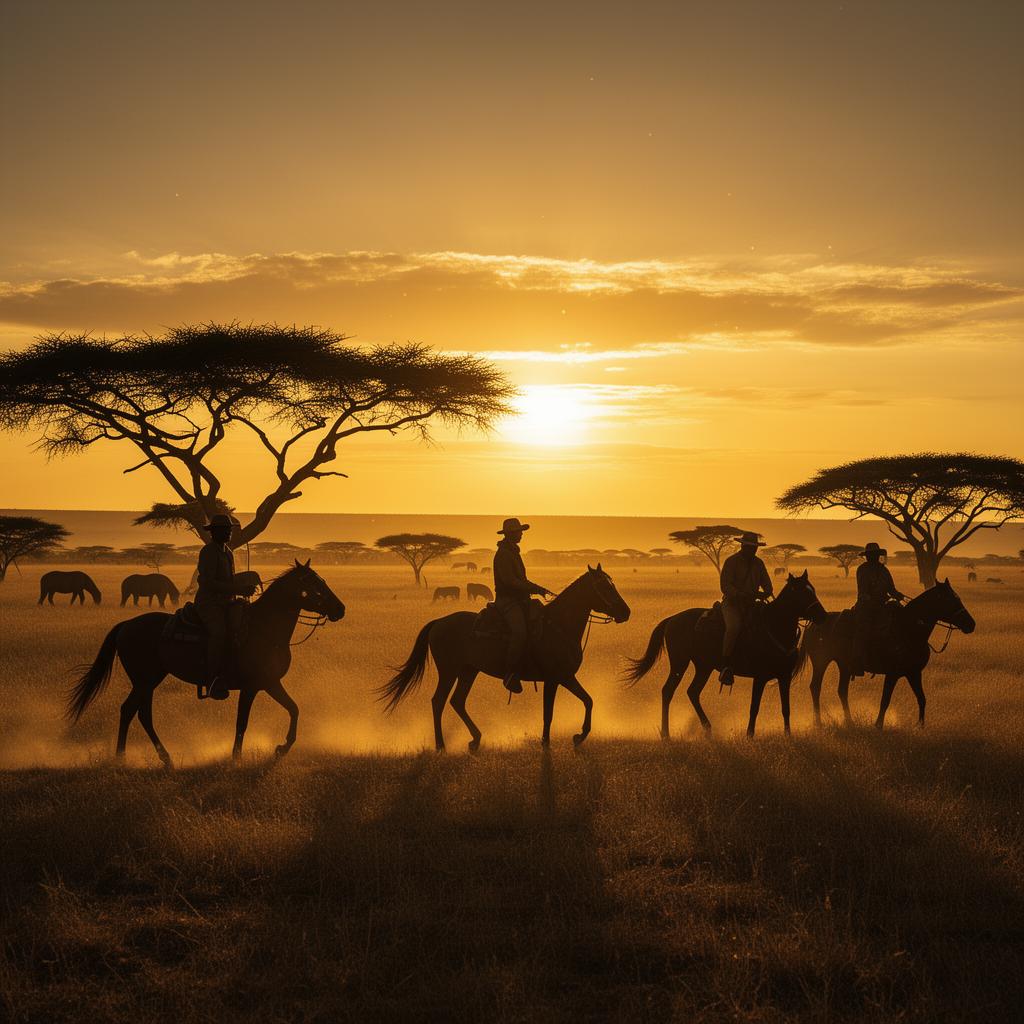
I run horseback-based safaris by preference. Horses move quietly, animals do not flag them as a threat, and the encounters are at a distance no vehicle ever achieves.
Mountains
The Drakensberg, the Cederberg, and the Waterberg are each a serious mountain country in their own right — and almost nobody outside southern Africa knows them.
Trails
Multi-day walking and riding traverses with experienced trail guides. The fitness ask is real; the reward is bush you cannot reach any other way.
Culture
South Africa is not a backdrop. We build time into every itinerary for the people, the food, the history, and the conversations the trip would be poorer without.
— Current Expeditions
Best season · June to October for peak Delta flood and concentrated game. November carries the first storms and is a beautiful, harder choice.
N° 04
Botswana
A high-fee, low-volume model that quietly produced one of the best wildlife systems on earth.
Botswana made a deliberate decision decades ago: keep tourist numbers in the Delta low, keep the price honest, route a meaningful percentage back to the community concessions. The result is the Okavango — a wildlife system that still works.
I work with small mobile camps and concession-based operators. The trip is intimate, the staff are local, and the wildlife behaves like wildlife rather than like an exhibit.
The Delta
An inland alluvial fan the size of a small country, fed by rain that fell on the Angolan highlands months earlier. Mokoro at dawn, game drives in the afternoon, complete silence at night.
Mobile camps
Small canvas camps that move with the season. Eight guests, one guide team, no permanent footprint.
Wildlife
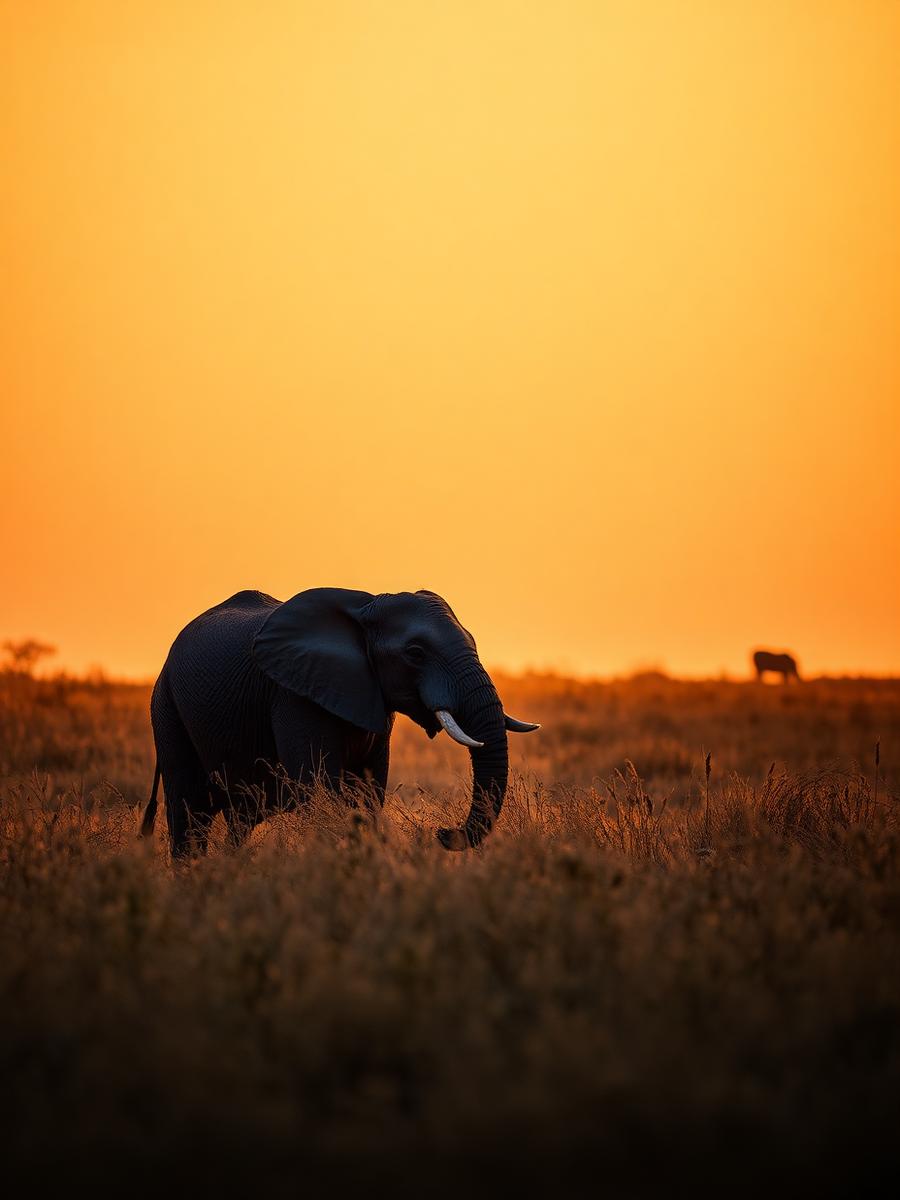
Lion, leopard, wild dog, elephant in the volumes they once held continent-wide. We watch — we do not chase.
— Current Expeditions
Best season · Mid-November to mid-January for the herring run, the cetaceans, and the polar night.
N° 05
Norway
Polar night, herring migrations, and the fjords where orcas and humpbacks feed together.
Northern Norway in winter is one of the most extraordinary wildlife experiences on the planet, and almost everyone who goes there goes at the wrong time of year. The herring run brings the orcas and humpbacks into the fjords above Tromsø between roughly November and January.
We work from small boats out of Skjervøy with a team that has built decades of relationships with these pods.
Orcas
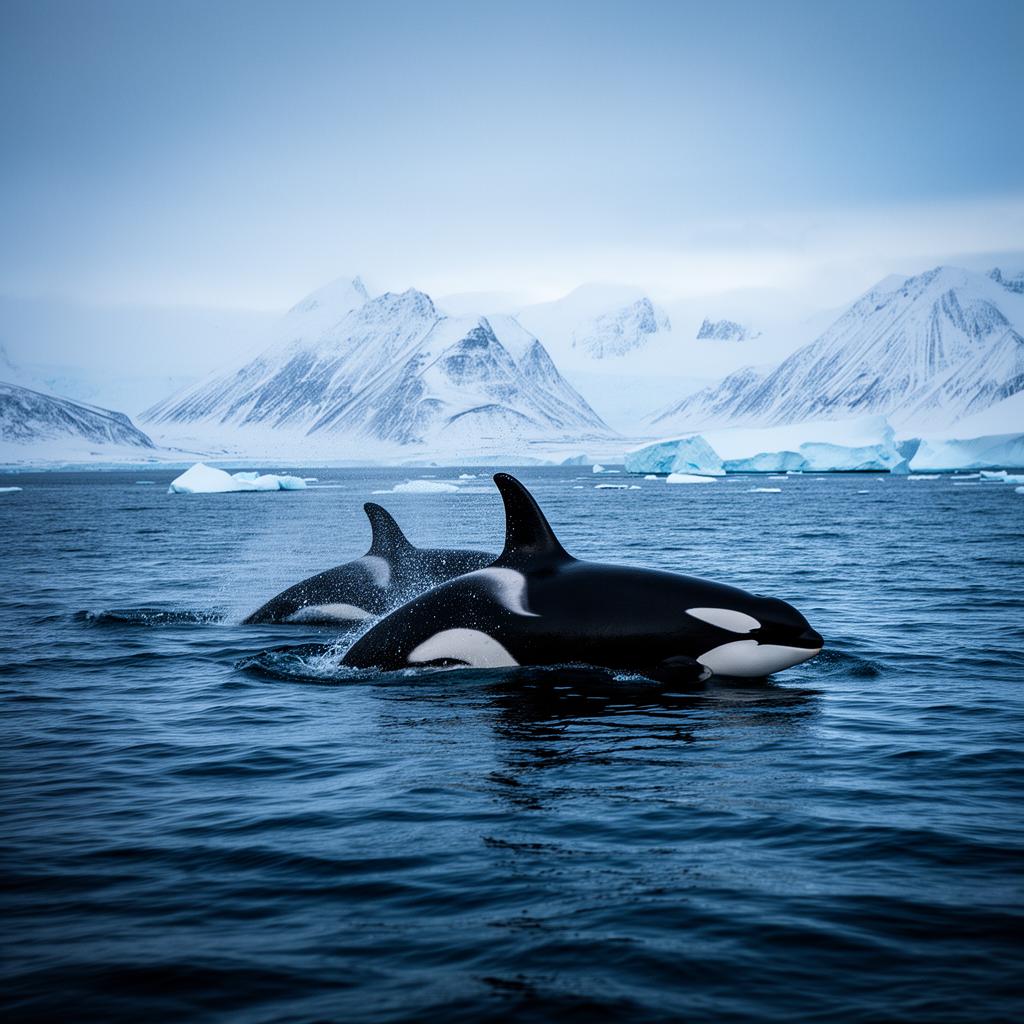
Resident pods that feed cooperatively on herring balls. The encounters are calm, structured, and at the whale's discretion. We get in the water only when conditions and behaviour both allow.
Humpbacks
Lunge-feeding humpbacks alongside the orca pods are common in good years. Underwater encounters are the highlight of the trip for most travellers.
Aurora
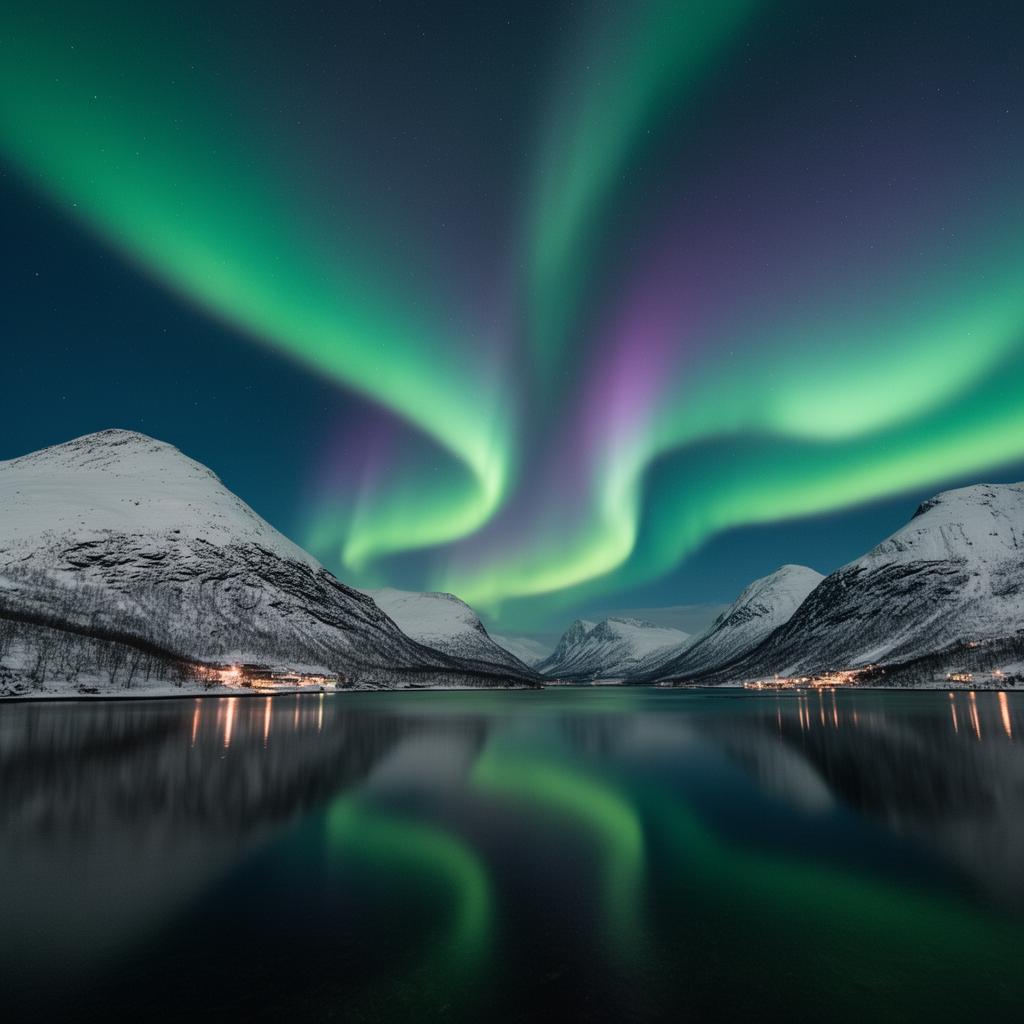
The polar night is the point. Aurora over a feeding pod, photographed from a small boat — that is not something a summer trip can sell you.
— Current Expeditions
Best season · August to early November for the humpback season.
N° 06
French Polynesia
Warm Pacific, blue water, and one of the most ethical humpback encounters in the world.
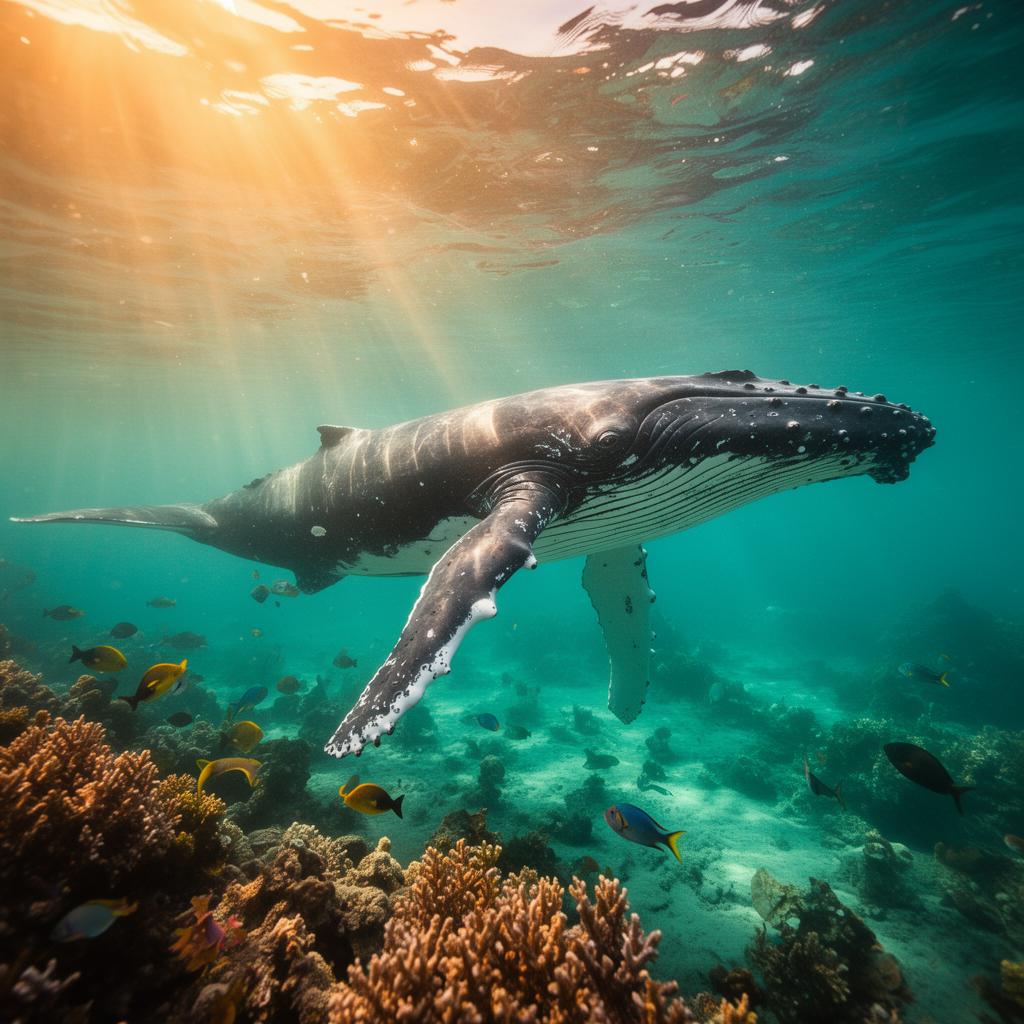
Each austral winter, humpback whales migrate from Antarctic feeding grounds to the warm, sheltered waters around Mo'orea to give birth and to mate. The encounters here are quiet, slow, and unmistakably the whale's choice.
We work with one of the few operators in Polynesia who hold themselves to international cetacean-interaction standards. The rules are simple: the whale decides.
Humpback encounters
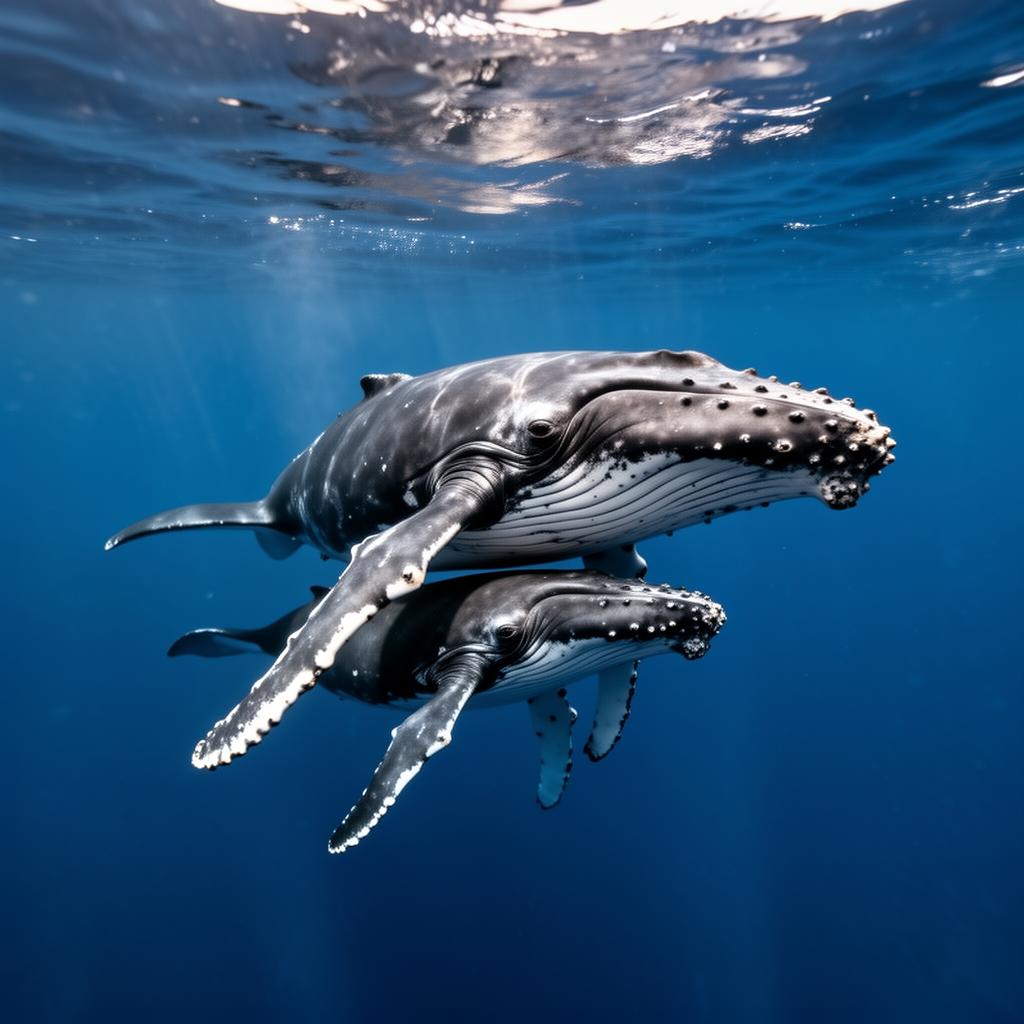
In-water, no scuba, surface only. Mothers and calves resting in the lee of the island. We do not chase; we drift, and we wait.
Mo'orea
A volcanic island ten kilometres from Tahiti with a deep barrier reef and an almost permanent lagoon system. Time on land is as much of the trip as time in the water.
Ethics
We work only with operators who turn the engine off before the whale notices the boat. If the encounter is not on the whale's terms, it does not happen.
— Current Expeditions
Best season · April to June and September to early November for the best trekking conditions.
N° 07
Morocco
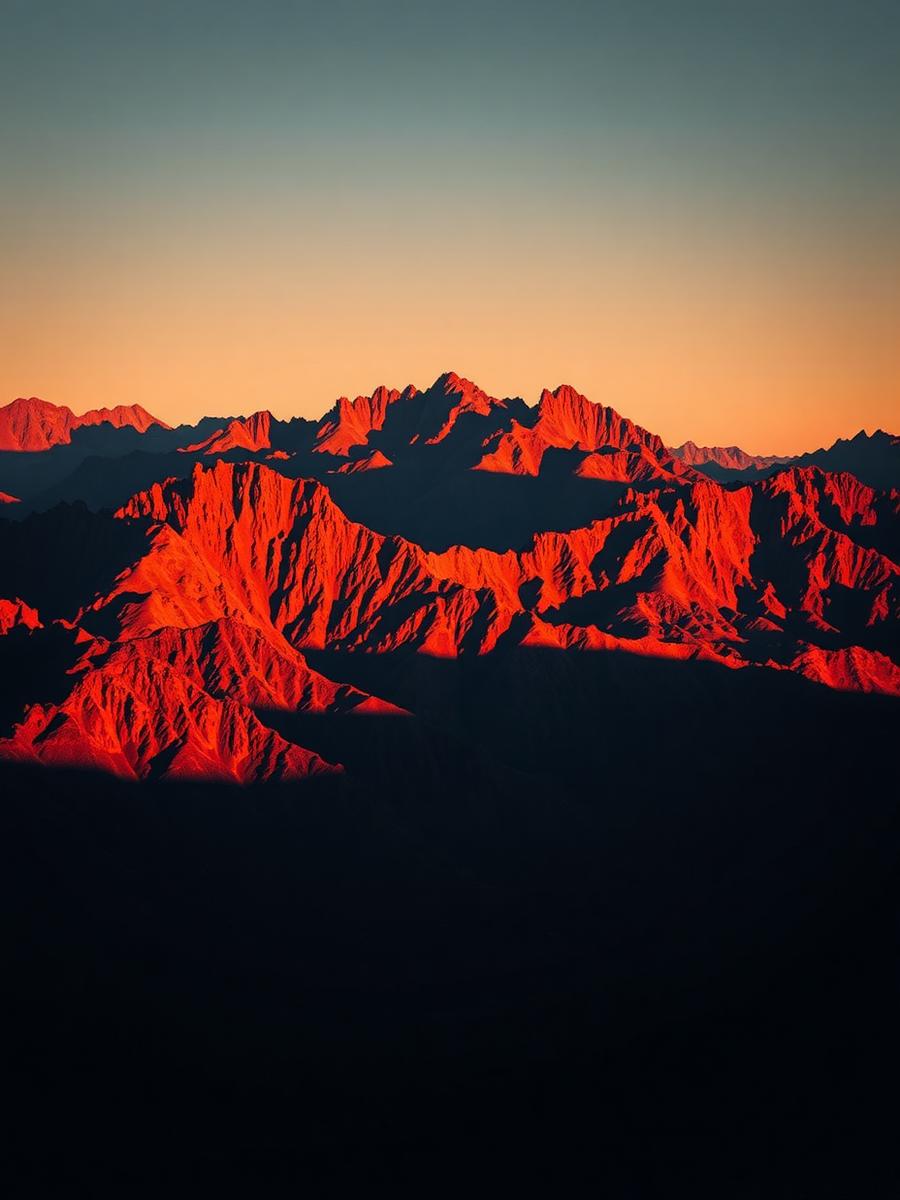
High Atlas passages, valley villages, and a country that quietly does long-distance trekking better than most.
I run small high-altitude trekking trips through the Atlas with a Berber guide team I have worked with for years. We move from village to village, sleep in stone gîtes, eat what is grown in the valley, and finish in the medinas.
Morocco is older, more layered, and more hospitable than the brochure version suggests. The trip is built to give you the real one.
High Atlas trekking
Multi-day passages above 3,000 m with mule support. The fitness ask is real but the pace is humane.
Berber villages
We stay in family-run gîtes in mountain villages off the trekking grid. Almost everything you eat was grown within walking distance.
Medina culture
The trip closes in Marrakech or Fez with two days of slower exploration — markets, dyers, leather, and the right tagine.
— Current Expeditions
Best season · October to November for the southbound crossing; March to April for the return.
N° 08
The Banda Sea
Liveaboard diving through one of the most biodiverse stretches of ocean still left.
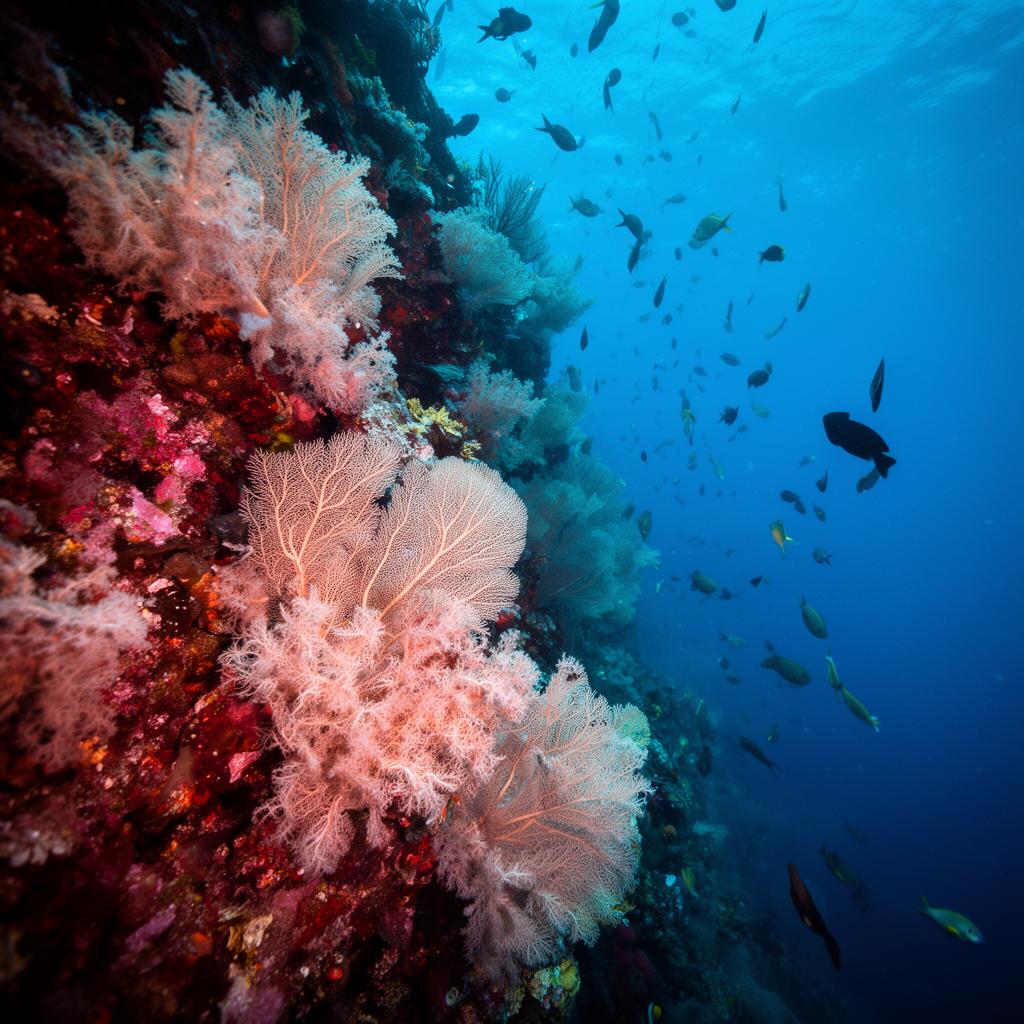
The Banda Sea sits at the heart of the Coral Triangle — the global epicentre of marine biodiversity. We work from a small, well-run pinisi liveaboard with a deep-experience dive team.
Schooling hammerheads, sperm whales, blue-water diving, and macro work that does not exist anywhere else.
Liveaboard diving
Three to four dives a day, small group, dedicated cruise director. The boat carries everything you do not need to think about.
Schooling pelagics
Hammerheads, mobulas, and on the right days, sperm whales. This is open-ocean diving, not reef-pottering.
Volcanic seamounts
The seamounts that rise out of the Banda are some of the richest dives in Asia. Currents are real; the briefings are serious.
— Current Expeditions
— On the horizon
A place you have been looking for?
I take private commissions for couples, families, and small private groups in places I already work, and occasionally in new ones.
Write to me