The Journal · May 28, 2026
Why I choose small groups over big tours
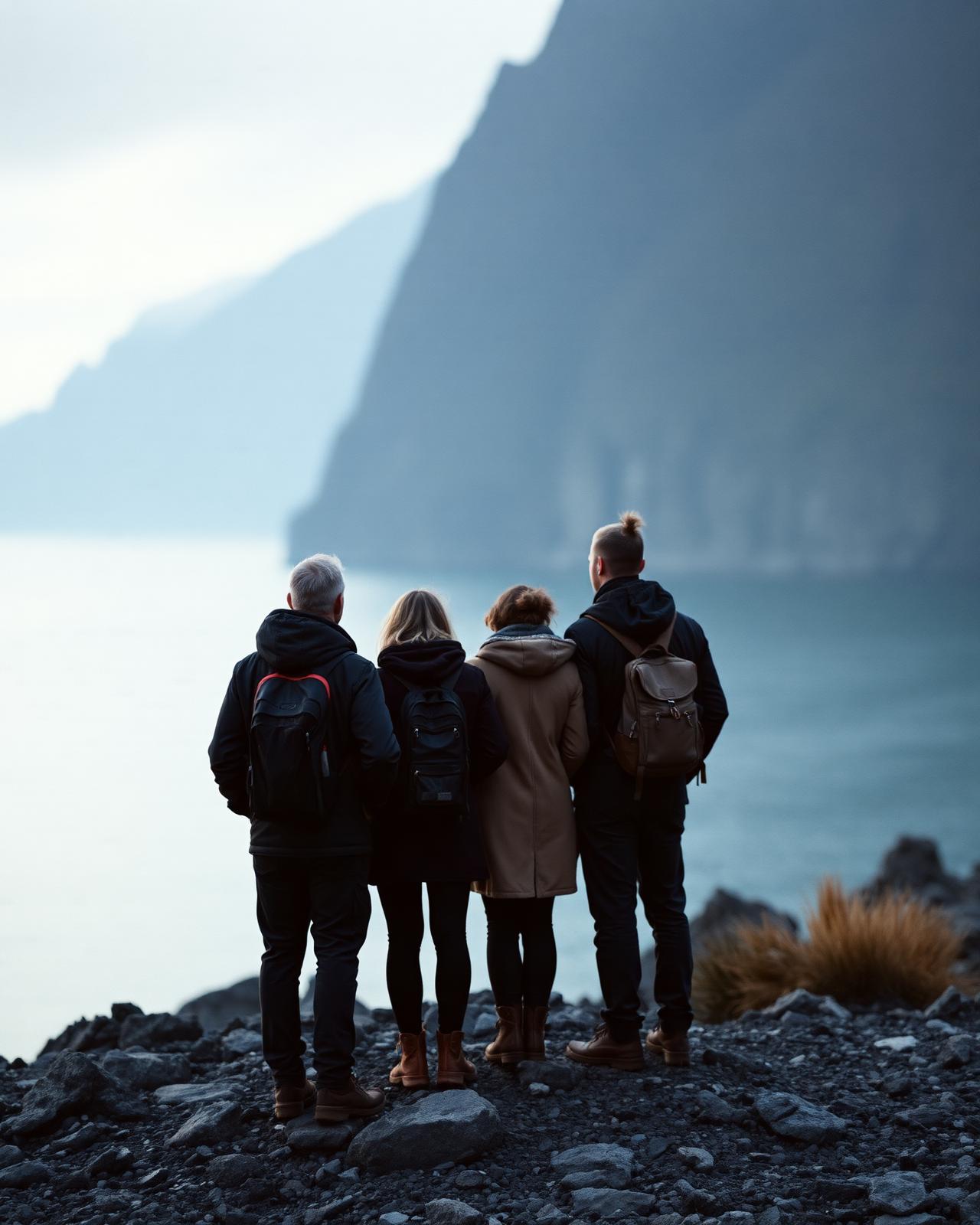
Group size is not a logistical detail. It is the defining factor of the experience.
Field notebook · 6 min read
There is a point on every expedition where everything changes. The weather shifts. The light drops. The terrain becomes more demanding than expected. Or simply, the landscape becomes so quiet and vast that the presence of a large group suddenly feels out of place.
In those moments, group size stops being a logistical detail and becomes the defining factor of the entire experience. At All Latitude, I choose small groups deliberately — not as a marketing statement, but as a guiding principle that shapes every decision I make in the field.
More space to experience the place
Small groups move differently. They pause when something is worth noticing. They adjust pace without breaking rhythm. They allow silence when silence is appropriate. In large groups, experience is often averaged out. The pace is set by logistics rather than curiosity. The loudest voices tend to shape the day, while quieter moments are lost in coordination and waiting.
In a small group, the landscape becomes the focal point again. You are no longer moving through a schedule — you are moving through an environment.
Better decisions in changing conditions
Expeditions are not static experiences. Weather changes. Ice shifts. Trails become impassable. Wildlife appears unexpectedly. Conditions in remote environments rarely follow a script. Small groups allow for better decision-making. When fewer people are involved, communication is clearer. Adjustments are faster. Safety decisions are made with more confidence and less friction.
In environments like Iceland's glaciers, volcanic regions, or remote highlands, the ability to adapt quickly is not optional. It is essential.
A more personal experience
In small groups, conversations happen naturally. Questions are easier to ask. Moments of curiosity are not lost in the noise of larger logistics. Guests are not just participants in a tour — they become part of a shared experience. Meals feel different. Walking pace feels different. Even silence feels shared rather than individual.
A lower impact on the places we visit
Remote environments are not built for scale. Glaciers, volcanic regions, mountain trails, and fragile ecosystems respond to presence. The more concentrated that presence becomes, the greater the impact. Small groups naturally reduce that footprint. They move more lightly through the landscape. They require fewer resources. They create fewer disturbances.
In summary
The experience becomes more personal. Decisions become more responsive. Safety becomes more manageable. The impact on environments is reduced. Flexibility increases dramatically. But most importantly, it simply feels more honest to the kind of travel I believe in. Some places are too important to rush through. Some experiences are too meaningful to dilute. And some journeys are simply better when fewer people are sharing them.
— Read next
Related field notes
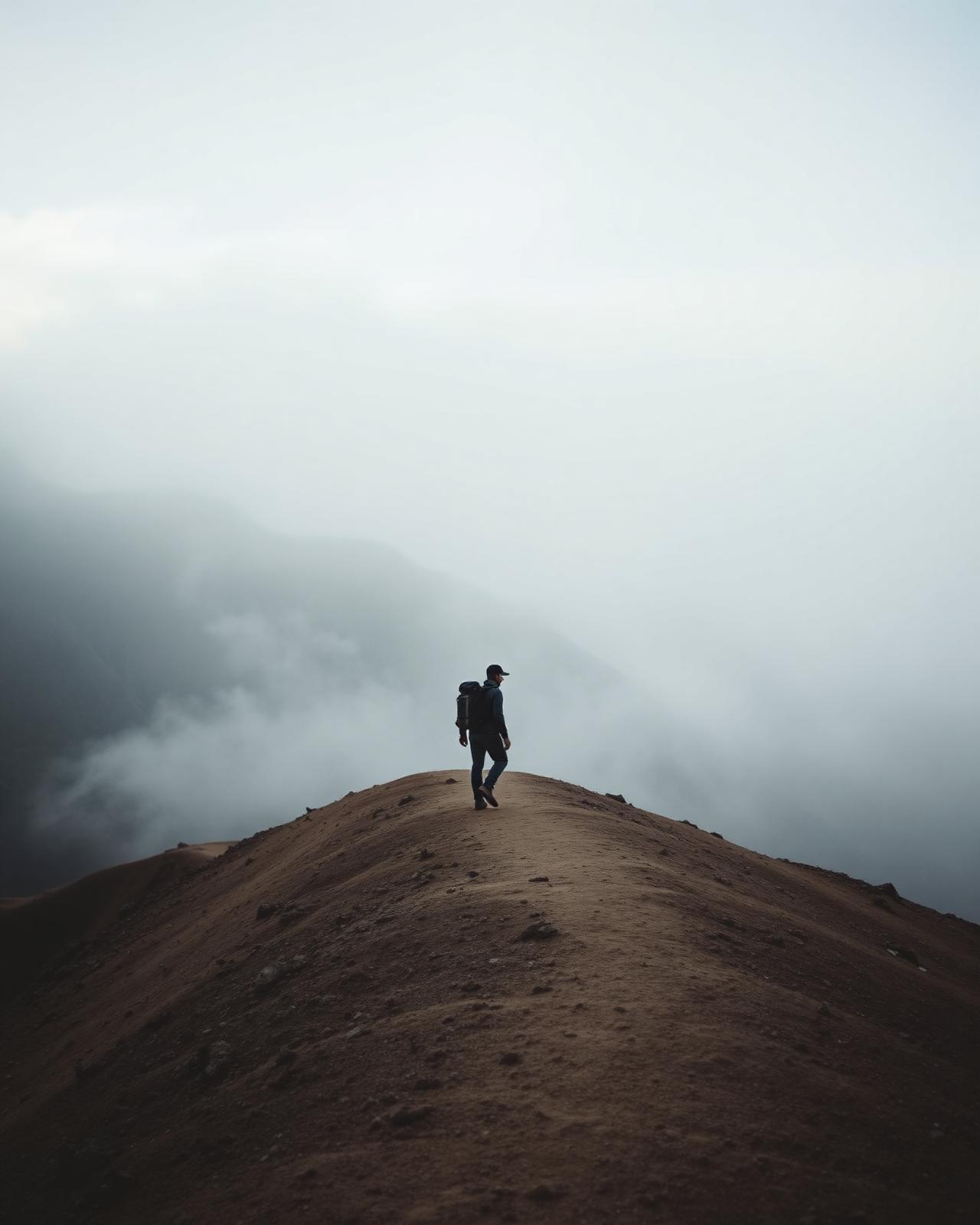
small-groups · philosophy
What makes an expedition?
The word is used loosely now. Here is what it still means in this practice.
6 min read
philosophy · place
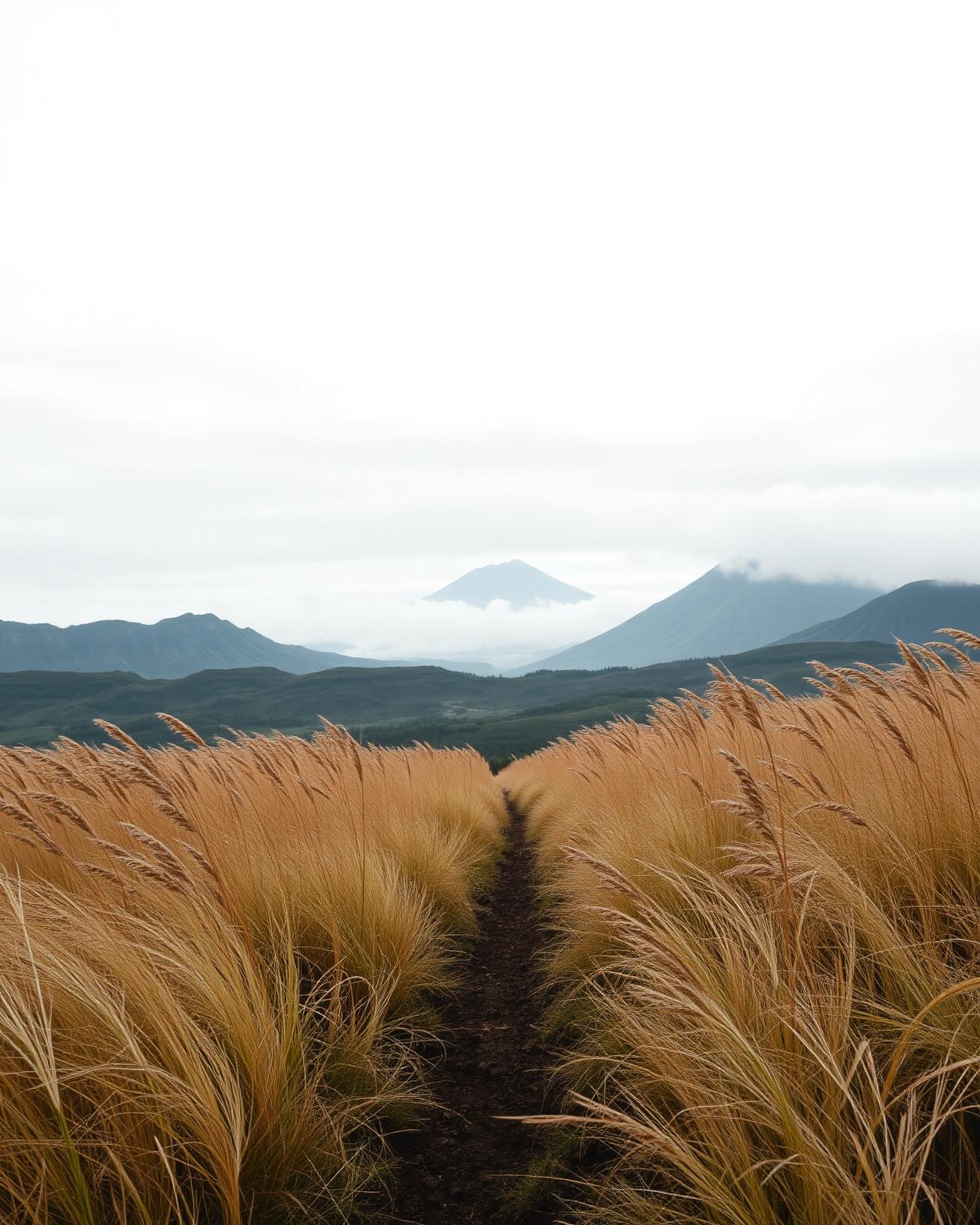
Every route is earned
Maps have a way of hiding reality. Some things can only be discovered by going.
5 min read
safety
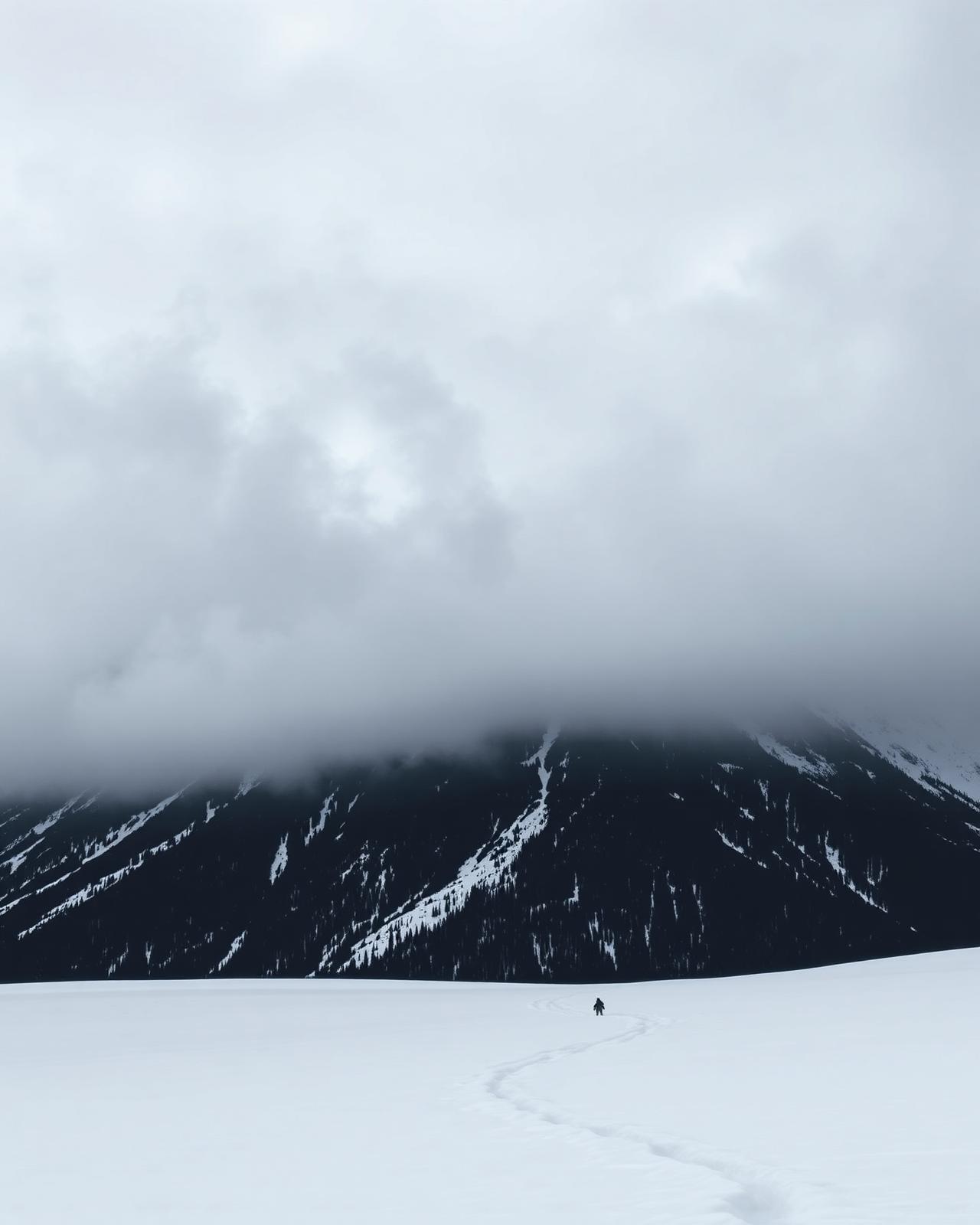
When the mountain says no
Sometimes the most successful expedition is the one that never reaches its original destination.
5 min read