The Journal · January 20, 2026
Every route is earned
Maps have a way of hiding reality. Some things can only be discovered by going.
Field notebook · 5 min read
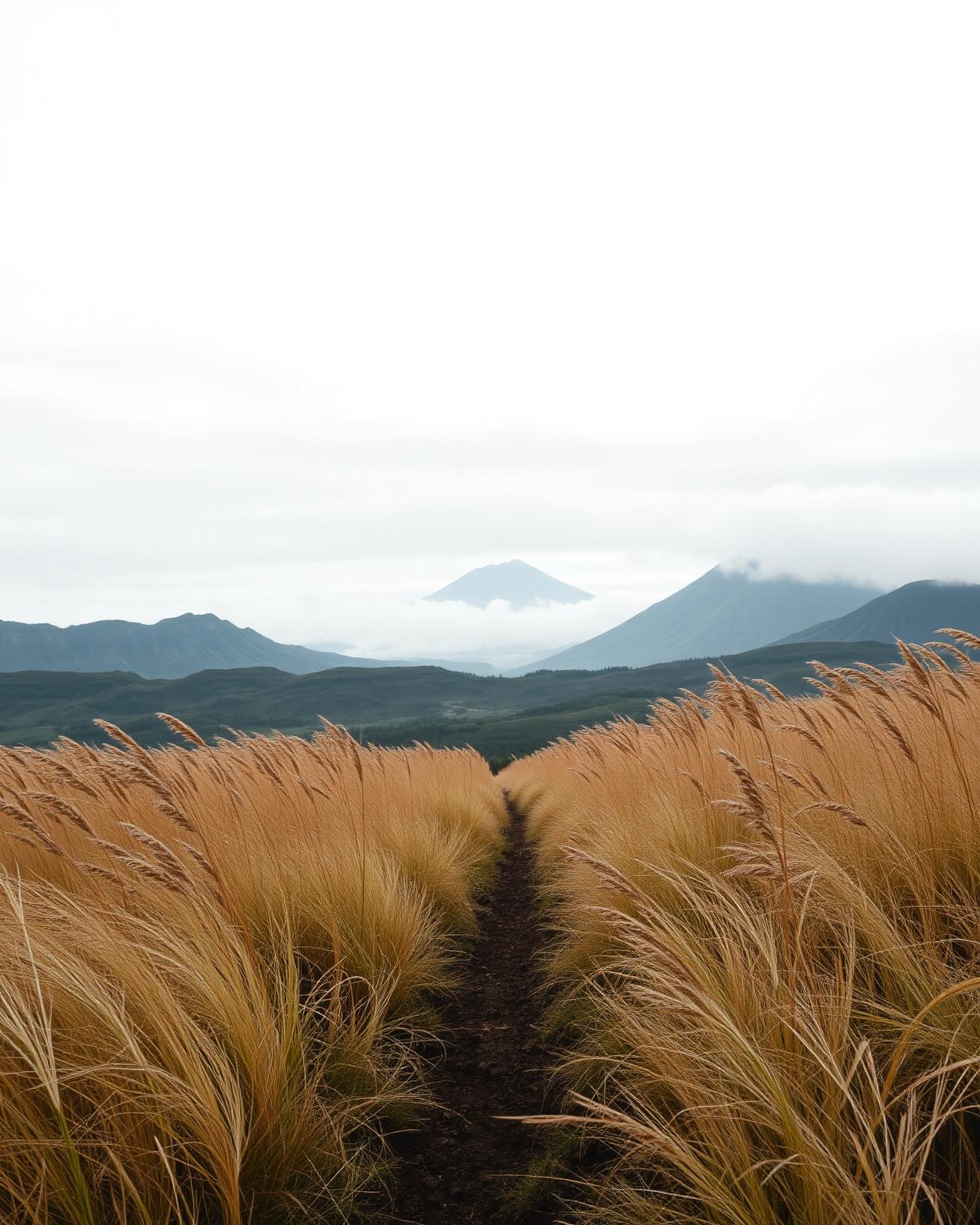
Every expedition begins with a line on a map. But maps have a way of hiding reality. They do not show how the wind funnels through a mountain pass. They do not tell you where the morning light reaches first, or how quickly a glacier changes after a warm summer. They do not reveal the café where locals gather after a day's work, or the quiet viewpoint that never appears in a guidebook.
Those details can only be discovered one way. By going. Again and again.
A route is never finished
People often imagine that an expedition is created once, uploaded to a website, and repeated year after year. The reality is quite different. Every time I return to a destination, I am still learning. Trails change. Roads improve. Rivers shift. A local recommendation leads somewhere unexpected. A conversation with another guide offers a different perspective. Even familiar landscapes continue to surprise you if you are willing to pay attention.
The best routes are never finished. They evolve.
Looking beyond the obvious
It is easy to follow the most popular itinerary. Thousands of people already have. But I have never believed that popularity automatically means it is the best experience. Sometimes the most memorable moments happen between the famous locations. A quiet valley after everyone else has left. A roadside stop that is not marked on any map. A conversation with a local that changes the course of an afternoon. These moments rarely happen by accident. They are discovered through curiosity, time, and a willingness to explore beyond the obvious.
Walking before leading
There is a responsibility that comes with inviting people into remote places. Before asking someone else to trust a route, I believe I should know it myself. Not from photographs. Not from online reviews. Not from someone else's itinerary. By walking it. Driving it. Diving it. Experiencing it under different conditions. Learning where it flows naturally — and where it does not.
If I have not taken the time to understand a place, I am not ready to lead others there.
The value of returning
There is a temptation in travel to always chase somewhere new. A new country. A new mountain. A new experience. Exploration will always be part of what I do. But returning has its own rewards. The second visit reveals what the first missed. The third visit builds familiarity. By the tenth, a place begins to feel less like a destination and more like an old friend. That relationship changes the way you guide. You stop simply showing people where to go. You begin sharing why a place matters.
More than an itinerary
When you join an All Latitude expedition, you are not following a route that was copied from a brochure. You are walking a journey that has been explored, questioned, refined, and shaped through experience. Every route has been earned. Not through distance travelled, but through time spent listening to the landscape, learning from local people, and returning often enough to understand that no place is ever fully known.
The best journeys are not simply planned. They are earned.
— Read next
Related field notes
preparation · philosophy
What makes an expedition?
The word is used loosely now. Here is what it still means in this practice.
6 min read
place · philosophy
Why I choose small groups over big tours
Group size is not a logistical detail. It is the defining factor of the experience.
6 min read
place · observation
Learning to read the landscape
Long before a storm arrives, the landscape usually tells you it is coming.
6 min read